
Why Does Lower Back Pain Often Flare Up During Travel?
Travel, even for a few hours, commonly disrupts healthy movement patterns and forces the body into uncomfortable or unnatural positions. In planes, trains, and cars, seats are often unsupportive, requiring people to sit longer than usual in cramped spaces. For residents of Greenburgh, NY who are often on the move for work, school, or family, these forces can strain the lower back and aggravate both chronic and occasional discomfort.
Prolonged sitting, heavy or awkward luggage, and infrequent stretching contribute to muscular fatigue and joint stiffness. The result is that even those with no history of back pain may finish a journey feeling sore or stiff.
What Steps Can I Take Before a Trip to Reduce My Risk?
Preparation starts before departure. Simple planning can improve comfort and keep strain to a minimum:
- Choose supportive, cushioned shoes rather than stiff or unsupportive footwear, especially for walking to transit or terminals in the city.
- Pack as lightly as conditions allow or use rolling luggage to minimize heavy lifting on stairs and curbs found throughout Greenburgh’s neighborhoods.
- Try to reserve travel times when traffic is lighter and delays are less frequent, reducing time spent sitting in cars or buses.
- Stay well-hydrated and avoid excess caffeine, as dehydration may worsen muscle stiffness.
Are There Practical Strategies for Sitting in Planes, Trains, or Cars?
Yes—seating posture and movement make a significant difference:
- Adjust the angle of the seat so hips are level with or slightly higher than knees.
- Use a small cushion or rolled-up jacket to fill any gap between the lower back and the seat.
- Change sitting positions every 20-30 minutes, even if only shifting weight from one side to the other.
- Stand up and stretch briefly when safe to do so, such as at rest stops or when walking the train aisle.
In buses or carpools common in Greenburgh, it helps to request an aisle seat, which allows easier movement and better posture adjustments.
How Should I Safely Lift Luggage?
Improper lifting is a leading trigger of back pain, especially when loading or unloading bags:
- Bend at the knees, not the waist, keeping the back straight as you lift.
- Hold items close to the body, not at arm’s length.
- Divide weight between two smaller bags if possible, to balance the load.
- Avoid twisting the torso while lifting or setting down bags, particularly in tight spaces.
- When stowing bags in vehicles, wait until the path is clear to avoid rushing or awkward motions.
Area residents often find navigating stairways in multi-story homes, train platforms, or parking lots challenging with bags; planning slow, measured movements is key.
What If My Lower Back Starts to Hurt During the Journey?
If pain develops, simple changes can help prevent it from worsening:
- Shift positions and gently stretch the back, hips, and legs when possible.
- Apply gentle pressure or use a cold pack (a water bottle wrapped in a cloth works in a pinch) on sore spots for short periods.
- Use over-the-counter anti-inflammatory medication if recommended by your healthcare provider, keeping in mind any personal sensitivities.
- Short, frequent walks during longer stops let spinal structures decompress and muscles reset.
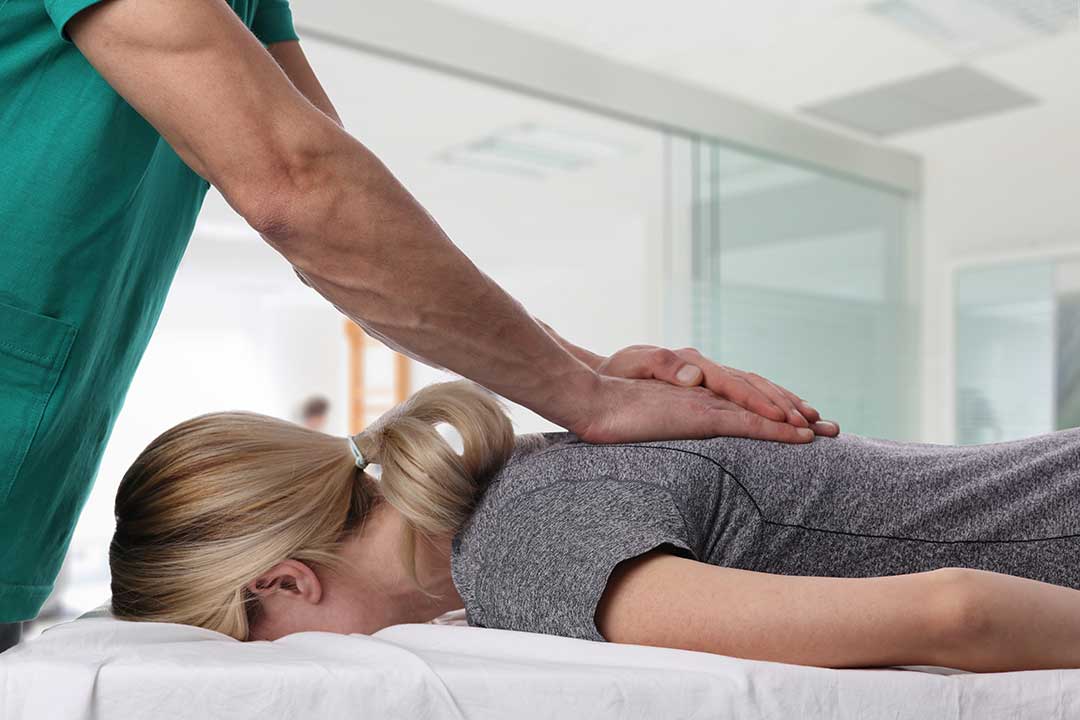
If there is persistent numbness, shooting pain down the leg, or difficulty standing after travel, it’s best to consult a medical professional, as some symptoms could indicate a more serious concern.
Do Seasonal or Local Factors in Greenburgh Make a Difference?
Greenburgh’s varied weather and infrastructure do influence lower back risks during local and long-distance travel:
- In colder months, tight muscles and icy sidewalks mean extra caution is needed when carrying bags to and from vehicles or public transit.
- Local public transportation can become crowded, making it harder to move freely or sit with proper posture—standing and stretching while waiting for delays helps alleviate stiffness.
- Heavy rainfall or snow increases the likelihood of slips, which can jar the lower back; using backpacks or distributing weight can help maintain balance.
Residents of the community often walk significant distances to reach train stations or bus stops, so maintaining good walking posture and using appropriate footwear year-round is vital.
Are There Simple Ways to Stay Comfortable on Longer Journeys?
For trips lasting several hours or more, advance self-care makes a notable difference:
- Plan breaks to get up, move, and stretch at least once every hour.
- Carry a travel-sized pillow or lumbar support for added comfort in any seat.
- Use smartphone reminders to prompt periodic stretches or posture checks.
- Select travel times that avoid rush-hour congestion in and around Greenburgh to minimize sitting in stopped vehicles.
Making small adjustments can help prevent travel from becoming a source of lasting discomfort.
Are Misconceptions About Back Pain During Travel Common?
Many people believe that back pain is an inevitable part of travel, but most discomfort is preventable with preparation and awareness. Another misconception is that expensive cushions or special products are always necessary—often, simple techniques and mindful movement offer the most benefit.
Implementing fundamental self-care habits around movement, lifting, and posture helps residents and visitors alike enjoy more comfortable journeys.
