
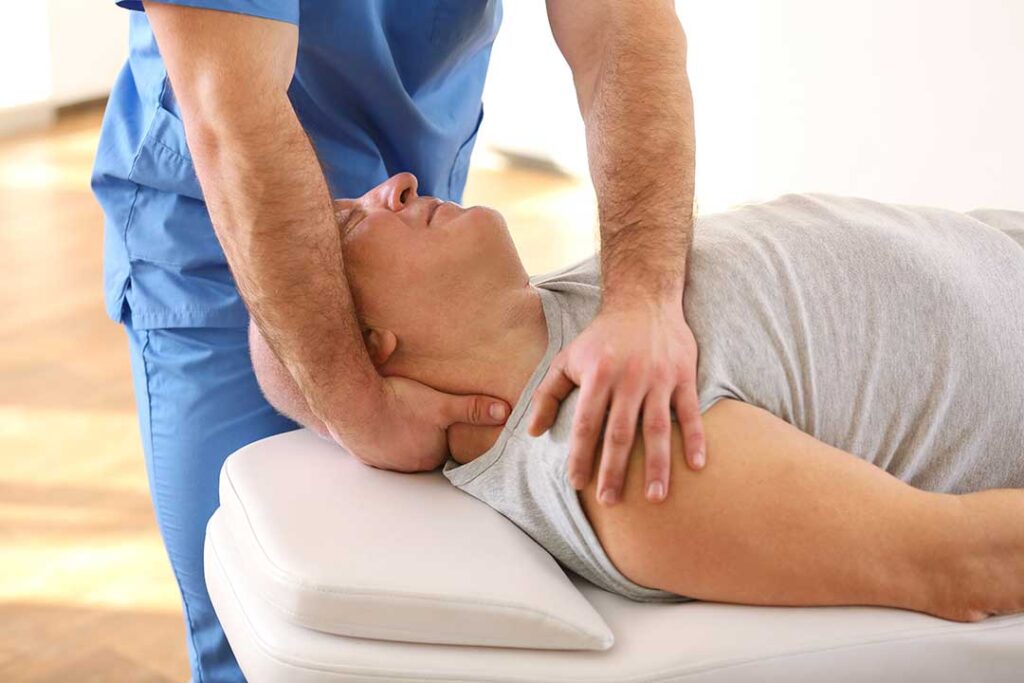
Regular spinal maintenance generally means taking consistent steps to support comfortable movement, strength, flexibility, and good function over time. It may include exercise, ergonomic adjustments, sleep habits, activity pacing, and—when appropriate—manual care such as spinal manipulation.
The term does not mean that every person needs routine spinal adjustments or that treatment can prevent all back problems. Evidence supports spinal manipulation as one possible non-drug approach for some types of low-back pain, while active self-care remains central to long-term spinal health. ([nccih.nih.gov](https://www.nccih.nih.gov/health/spinal-manipulation-what-you-need-to-know?utm_source=openai))
What does “spinal maintenance” actually involve?
Spinal maintenance is better understood as a pattern of habits than as a fixed treatment schedule. The goal is to keep the muscles, joints, and nervous system working as comfortably as possible while identifying problems before they interfere with daily life.
A practical maintenance plan may include:
- Regular walking or other moderate activity
- Strengthening the trunk, hips, and legs
- Gentle mobility exercises
- Taking breaks from prolonged sitting
- Adjusting workstations, vehicle seating, or sleeping positions
- Learning safer ways to lift, carry, bend, and reach
- Managing stress and getting consistent sleep
- Using manual therapy when it is clinically appropriate
For residents with desk-based work, long commutes, home offices, or physically demanding household tasks, small periods of movement throughout the day may be more realistic and useful than relying on a single intense workout.
Can regular care reduce back stiffness and improve movement?
It can help some people, particularly when care is combined with movement and strengthening. Spinal manipulation may produce modest short-term improvements in pain and function for acute low-back pain, but it is not the only effective approach. Exercise, physical therapy, education, and self-management may also be appropriate depending on the cause and severity of symptoms. ([nccih.nih.gov](https://www.nccih.nih.gov/health/spinal-manipulation-what-you-need-to-know?utm_source=openai))
Many people notice stiffness after sitting through a workday, driving, gardening, shoveling, or returning suddenly to outdoor activity after being inactive. In these situations, the most durable improvement usually comes from gradually restoring movement capacity rather than repeatedly treating symptoms without changing the contributing habits.
A simple starting point is to stand or walk briefly every 30 to 60 minutes, move through a comfortable range of motion, and avoid staying in one position for hours at a time.
Does maintenance prevent future injuries?
Not reliably on its own. Regular movement and progressive strengthening can improve balance, coordination, bone health, and the ability to perform everyday activities. Physical activity also helps reduce the risk of falls and supports general health. ([cdc.gov](https://www.cdc.gov/physical-activity-basics/health-benefits/adults.html?utm_source=openai))
However, no adjustment, exercise, or posture position can guarantee that a person will avoid an injury. Common problems occur when activity increases too quickly, technique changes under fatigue, or a person attempts a demanding task without adequate preparation.
This is especially relevant during seasonal work around the home. Clearing wet leaves, carrying storage containers, moving furniture, or shoveling after a storm can place sudden demands on the back. A safer approach is to warm up with easy movement, use manageable loads, change positions regularly, and increase activity gradually.
Is poor posture the main cause of back pain?
Usually not. Posture can influence how tissues are loaded, but there is no single “perfect” posture that prevents pain. Remaining in one position for too long may be more troublesome than occasionally sitting or standing in an imperfect position.
Comfort often improves when people vary their position:
- Keep frequently used items within easy reach.
- Support the lower back if a chair feels too flat.
- Place screens near eye level to reduce prolonged neck bending.
- Keep both feet supported when seated.
- Alternate sitting, standing, walking, and light movement.
- Avoid holding the same rigid posture for extended periods.
Pain can also be influenced by sleep quality, stress, mood, previous injuries, general conditioning, and medical conditions. The National Institute of Arthritis and Musculoskeletal and Skin Diseases notes that prolonged sitting, poor sleep, and stress may all play a role in back-pain severity. ([niams.nih.gov](https://www.niams.nih.gov/health-topics/back-pain?utm_source=openai))
How often should someone receive spinal adjustments?
There is no universally correct maintenance schedule. Frequency should depend on symptoms, health history, activity demands, response to care, and the findings of an appropriate evaluation.
Routine adjustments without a clear reason are not automatically necessary for everyone. A useful plan should explain:
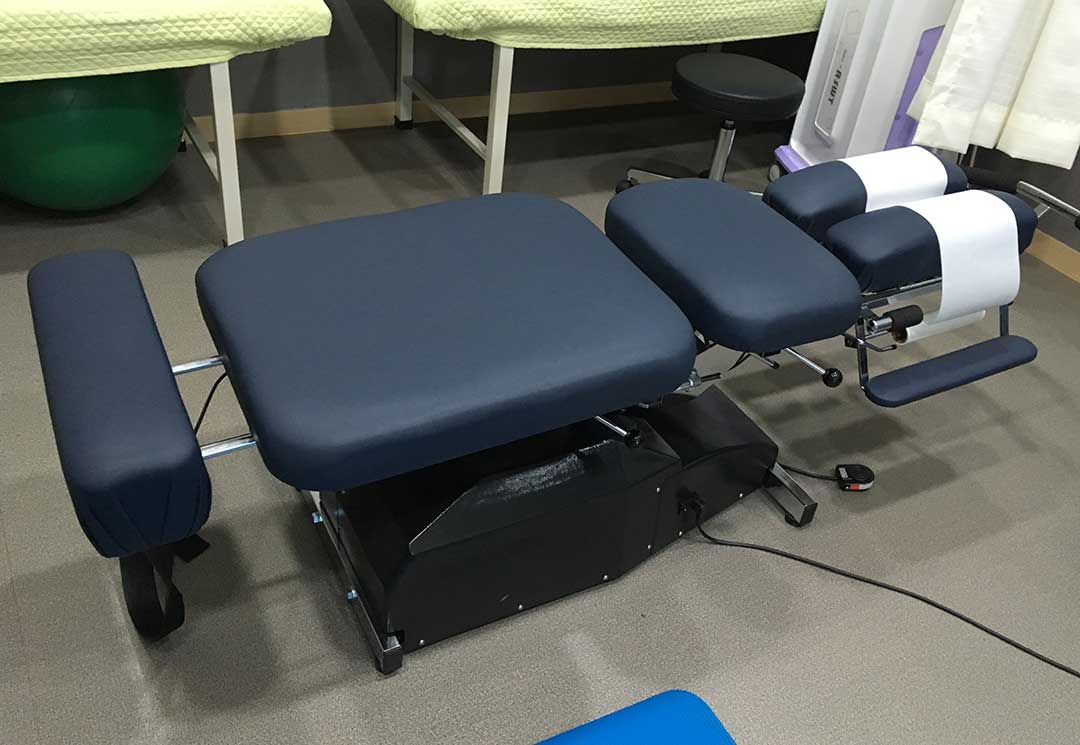
- What problem is being addressed
- What improvement is expected
- Which active exercises or habits support recovery
- How progress will be measured
- When care should be reduced, changed, or stopped
A person who feels better after treatment but has no improvement in strength, mobility, or daily function may need a broader assessment of contributing factors. The purpose of care should be improved function and meaningful symptom relief, not an indefinite schedule by default.
Are spinal adjustments safe for everyone?
No treatment is risk-free, and spinal manipulation is not appropriate in every situation. Mild, temporary soreness, stiffness, headache, or increased discomfort can occur and often resolves within a day. Serious complications are rare, but risks may be higher for people with certain underlying conditions. ([nccih.nih.gov](https://www.nccih.nih.gov/health/spinal-manipulation-what-you-need-to-know?utm_source=openai))
A thorough health history matters. Relevant information may include osteoporosis, recent trauma, cancer, infection, inflammatory disease, blood-clotting problems, neurological symptoms, pregnancy, recent surgery, and medications that affect bleeding or bone health.
Neck manipulation deserves particular caution. Rare neck artery injuries and strokes have been reported, and research has not fully resolved whether manipulation directly causes these events. Anyone considering neck treatment should discuss personal risk factors and alternatives clearly beforehand. ([nccih.nih.gov](https://www.nccih.nih.gov/health/spinal-manipulation-what-you-need-to-know?utm_source=openai))
When is back or neck pain a reason to seek prompt medical evaluation?
New or severe symptoms should not automatically be treated as a routine “alignment” problem. Prompt medical evaluation is especially important when pain follows significant trauma or occurs with:
- New weakness, numbness, or loss of coordination
- Loss of bladder or bowel control
- Numbness around the groin or inner thighs
- Fever, unexplained weight loss, or feeling seriously unwell
- A history of cancer, major infection, or immune suppression
- Severe pain that is rapidly worsening or does not ease with rest
These warning signs may indicate a condition requiring medical diagnosis rather than routine maintenance.
What is the most practical approach for local residents?
For most households, spinal health is supported by consistency rather than perfection. A realistic weekly routine might combine walking, two days of muscle-strengthening activity, brief mobility breaks during sedentary work, and careful pacing of seasonal chores. Federal physical-activity guidance identifies regular aerobic and muscle-strengthening activity as important for overall health, while individual needs vary by age, condition, and ability. ([cdc.gov](https://www.cdc.gov/physical-activity-basics/health-benefits/adults.html?utm_source=openai))
Regular spinal care may be useful for selected people, particularly those managing recurring low-back pain or movement restrictions. It should be viewed as one part of a broader plan that includes active exercise, sound sleep, ergonomic variety, and appropriate medical evaluation when symptoms do not follow a typical pattern.
