
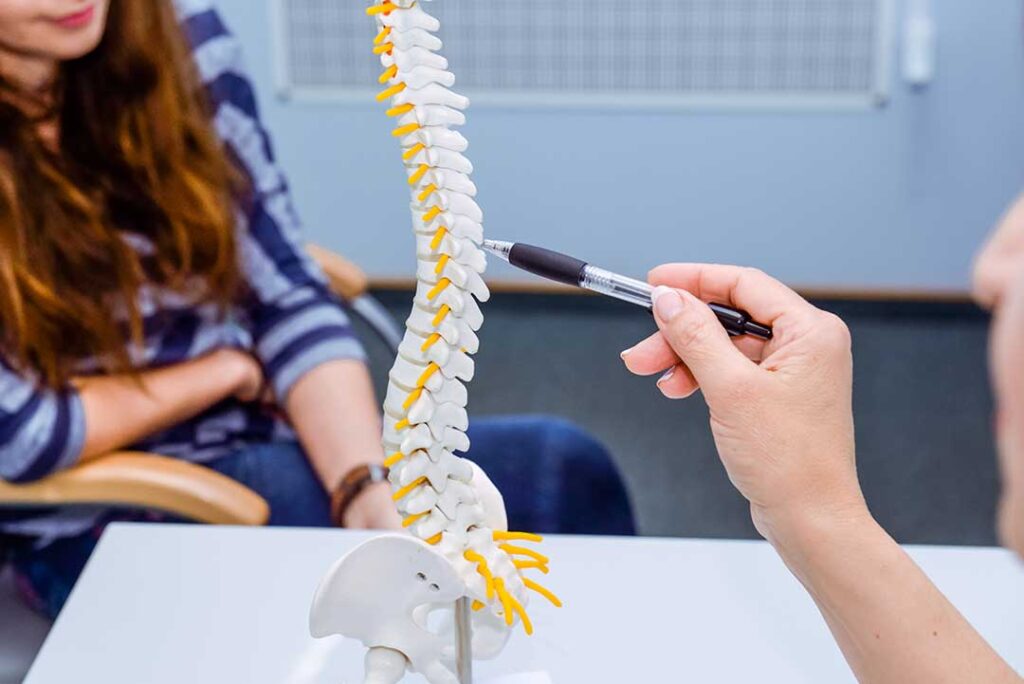
People often consider chiropractic care for back pain, neck discomfort, stiffness, headaches, or movement-related problems. The approach usually involves hands-on care directed at the joints and surrounding muscles, but its usefulness depends on the cause of symptoms, a person’s health history, and the type of treatment provided.
The following answers address common questions residents may have before deciding whether chiropractic care is appropriate.
What does chiropractic care involve?
Chiropractic care commonly includes a health history, physical examination, movement assessment, and hands-on treatment. Spinal manipulation is one technique in which controlled pressure is applied to a joint of the spine. Other approaches may include gentle mobilization, soft-tissue techniques, stretching, posture guidance, and exercises.
The term “adjustment” does not describe one standardized procedure. Techniques can vary in speed, pressure, body position, and use of equipment. Patients can ask what a specific technique is intended to do and whether gentler alternatives are available.
A careful evaluation should also consider whether symptoms may require medical testing or care outside chiropractic treatment. Chiropractic care should not be used as a substitute for emergency evaluation, diagnosis of serious illness, or treatment of conditions unrelated to the musculoskeletal system.
What conditions may improve with chiropractic treatment?
The strongest evidence generally concerns some types of low-back pain, particularly uncomplicated pain involving muscles, joints, or movement. Spinal manipulation may produce modest improvements in pain and function, such as walking, standing, sleeping, and completing household activities. The American College of Physicians lists spinal manipulation as one non-drug option for acute, subacute, and chronic low-back pain. ([nccih.nih.gov](https://www.nccih.nih.gov/health/spinal-manipulation-what-you-need-to-know?utm_source=openai))
Some people also seek care for neck pain, joint stiffness, or tension-related discomfort. Evidence varies by condition, and improvement is not guaranteed. Pain caused by a fracture, infection, cancer, progressive nerve compression, or certain inflammatory conditions needs a different medical approach.
Chiropractic care is not supported as a cure for unrelated diseases or as a general method for preventing all health problems. Claims that adjustments can treat infections, internal-organ disease, or most chronic medical conditions should be viewed cautiously.
Is chiropractic care safe?
For many generally healthy adults, appropriately performed spinal manipulation causes temporary side effects rather than serious harm. Common short-term effects include localized soreness, stiffness, increased discomfort, or headache. These effects often improve within about 24 hours. ([nccih.nih.gov](https://www.nccih.nih.gov/health/spinal-manipulation-what-you-need-to-know?utm_source=openai))
Serious complications have been reported but are considered very rare. The risk may be higher for people with certain underlying conditions, recent injuries, weakened bones, blood-clotting problems, or other factors that affect tissue or vascular health.
Neck manipulation deserves particular discussion. Rare reports have involved injury to arteries in the neck, which can lead to stroke. Research has not established in every case whether manipulation caused the artery injury, because similar symptoms may lead a person to seek care before a stroke occurs. Even so, patients should be informed of the potential risk and should not feel pressured to accept rapid or forceful neck techniques. ([nccih.nih.gov](https://www.nccih.nih.gov/health/spinal-manipulation-what-you-need-to-know?utm_source=openai))
Who should use extra caution?
A full health history is especially important for people who have:
- Recent falls, car crashes, sports injuries, or whiplash
- Severe or worsening osteoporosis
- A known fracture, bone infection, or cancer
- Numbness, weakness, or loss of coordination
- Blood-clotting disorders or use of blood-thinning medication
- Recent surgery
- Inflammatory arthritis or significant joint instability
- Pregnancy or a high-risk pregnancy
- New, severe, or unexplained headaches
Pregnancy does not automatically rule out all hands-on care, but treatment should be adapted and discussed with the person overseeing the pregnancy. Research on some techniques during pregnancy remains limited. ([nccih.nih.gov](https://www.nccih.nih.gov/health/spinal-manipulation-what-you-need-to-know?utm_source=openai))
What symptoms require medical attention first?
Some symptoms should not be managed initially as routine back or neck pain. Prompt medical evaluation is appropriate for symptoms such as:
- New loss of bladder or bowel control
- Numbness around the groin or inner thighs
- Severe weakness in an arm or leg
- Sudden trouble speaking, facial drooping, vision changes, or difficulty walking
- A severe headache unlike previous headaches
- Fever with significant back or neck pain
- Pain after major trauma
- Unexplained weight loss or a history of cancer

After a neck injury or manipulation, sudden dizziness, double vision, severe headache, slurred speech, unusual imbalance, or one-sided weakness requires emergency attention.
Local winter conditions can add practical risks. Slips on ice, falls on wet pavement, and lifting snow or heavy household items may cause injuries that are more serious than ordinary muscle soreness. Persistent pain after a fall should not be assumed to be a simple “misalignment.”
Are X-rays or MRI scans always needed?
No. Imaging is not automatically necessary for ordinary low-back pain, especially when symptoms are recent and there are no warning signs. Imaging may be considered when there is significant trauma, suspected fracture, progressive neurological change, infection risk, cancer concerns, or symptoms that do not improve as expected.
A person should understand why imaging is being suggested and how the result would change treatment. Unnecessary imaging can identify age-related changes that are common in people without pain and may lead to worry or treatment that does not help.
How many visits are needed?
There is no scientifically reliable number of visits that applies to everyone. The appropriate plan depends on the diagnosis, symptom duration, response to treatment, and functional goals.
A reasonable care plan should include a way to judge progress. Examples include improved sleep, easier movement, less pain during work or household tasks, or reduced reliance on pain medication under medical guidance. If symptoms are not improving, are worsening, or require increasingly frequent treatment without lasting benefit, the plan should be reassessed.
Care should not be based solely on a promise of indefinite maintenance visits or claims that every person has the same structural problem.
Can chiropractic care be combined with other treatment?
Yes. Back and neck pain are often managed through several strategies, including staying reasonably active, targeted exercise, physical therapy, medication when appropriate, sleep improvement, and education about lifting and movement. Spinal manipulation is one option among these approaches rather than a replacement for all of them. ([nccih.nih.gov](https://www.nccih.nih.gov/health/low-back-pain-and-complementary-health-approaches-what-you-need-to-know?utm_source=openai))
Communication matters when multiple clinicians are involved. Information about medications, imaging, previous injuries, neurological symptoms, and treatment response can help prevent conflicting advice and reduce avoidable risk.
What should someone ask before treatment?
Useful questions include:
- What is the most likely explanation for the symptoms?
- What treatment technique is being proposed?
- Are there gentler alternatives?
- What benefits are realistic?
- What side effects or risks should be expected?
- What symptoms would require medical evaluation?
- How will progress be measured?
- What should happen if symptoms do not improve?
A clear answer should include uncertainty when the evidence is limited. Chiropractic care may help some musculoskeletal problems, particularly certain forms of low-back pain, but it is not appropriate for every condition and is not risk-free.
