

Why Does Backpack Weight Matter for Children?
Backpack weight directly affects children's posture, spine health, and comfort. Carrying too much weight on a regular basis can lead to aches, muscular fatigue, and longer-term health issues. As public schools and extracurricular programs across Greenburgh require students to transport books, devices, and supplies, families often wonder how much is too much.
A backpack that is too heavy can cause:
- Back, neck, and shoulder pain
- Muscle strain or tension headaches
- Poor posture, including slouching or leaning forward
- Reduced balance and risk of stumbling
Over time, these issues can affect a child's mood, concentration, and willingness to be active.
How Much Backpack Weight Is Safe for My Child?
A safe guideline for backpack weight is no more than 10-15% of a child's body weight. For a 70-pound elementary student, that means about 7-10 pounds total. Yet many local families discover, particularly during the school year, that backpacks often exceed this limit.
Factors affecting real-life weight include:
- The number of textbooks—especially on days with rotating schedules
- Devices like Chromebooks or tablets
- Extra clothing, lunch boxes, and water bottles
- Sports equipment, musical instruments, or art supplies
When checking a child's backpack, use a bathroom scale to assess weight relative to your child’s own size. If it feels heavy for you, it’s likely too heavy for them.
What Physical Warning Signs Should Parents Watch For?
Children may not complain directly about discomfort, so parents and guardians in Greenburgh should look for these subtle signals:
- Uneven shoulders, or one strap digging deeper into skin
- Complaints of tingling, numbness, or hand/wrist pain
- A forward-leaning walk or frequent rest stops
- Red marks on shoulders after using the backpack
- Expressions of tiredness before or after school unrelated to sleep
Persistent discomfort may prompt avoidance of physical activity, growing reluctance to carry a bag, or sleep disturbances.
Are There Better and Worse Ways to Carry Backpacks?
Yes—how a backpack is worn makes a significant difference. Using both shoulder straps evenly distributes the load, while slinging it over one shoulder increases spinal stress and can lead to muscle imbalances. Kids should be encouraged to:
- Use both adjustable shoulder straps (wide, padded straps are best)
- Position the backpack high and close to the back (not sagging low)
- Use waist and chest straps if available to stabilize the load
- Avoid carrying unneeded items
Rolling backpacks can be helpful for some, but these must be carried up stairs or over uneven ground, which is common in various Greenburgh school settings, and may not be allowed at all schools.
Can Backpack Weight Cause Long-Term or Chronic Issues?
Ongoing use of heavy backpacks can lead to lasting postural changes and worsen preexisting issues such as scoliosis or mild spinal curvature. For some, it might contribute to chronic tension headaches or even set patterns for movement and sitting that persist into adulthood. While backpack-related injuries rarely cause spinal deformity, consistent pain should not be dismissed as “growing pains” or simply part of the school experience.
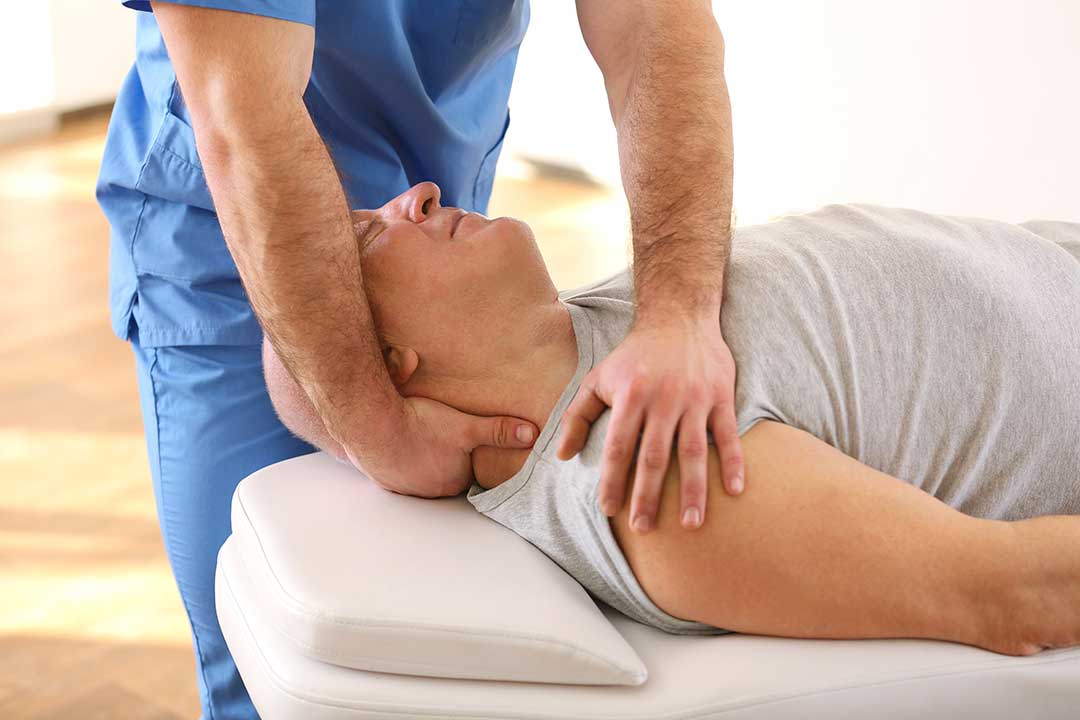
As children grow and their physical demands increase, unresolved back and neck discomfort may interfere with sports, dance, or recreational activities common in the area.
How Can Families in Greenburgh Reduce Backpack Weight and Risk?
Practical steps for families and caregivers include:
- Regularly clean out backpacks with children to remove unnecessary books or items
- Review school schedules to carry only required materials each day
- Encourage use of digital resources when possible to replace physical books
- Secure a locker or classroom cubby if the school offers them, so items can be stored during the day
- Remind children to use both straps and adjust backpack fit seasonally (bulky coats can affect strap length)
Local schools often welcome parent input on locker access, improved schedule management, or reducing textbook loads—consider discussing concerns with administration or teachers if backpack loads remain a concern.
What Are Some Common Myths About Backpacks and Children’s Backs?
Some widespread misconceptions:
- “Heavy backpacks help kids build strength.” In reality, excessive weight strains growing joints and muscles, which are not designed for chronic loads.
- “Children will complain if it hurts.” Many kids consider discomfort normal or may not recognize poor posture and low-level pain as signs that something is wrong.
- “It doesn’t matter how the backpack is carried.” Proof shows that one-shoulder use or poorly loaded backpacks make children more prone to aches and posture problems.
Relying on these assumptions may cause caregivers to underestimate real challenges faced by local students.
When Should Families Seek Professional Guidance?
If a child’s pain:
- Persists beyond a few days after lightening the load
- Involves shooting, sharp, or radiating sensations down the legs or arms
- Causes them to avoid normal activities
…it is wise to consult a healthcare provider. This could be a pediatrician or another trusted medical professional familiar with children’s musculoskeletal health. Addressing symptoms early can help prevent persistent problems and ensure optimal development for local youth.
